

This week’s industry signal: capacity conversations need a part-family brief
On October 12, 2026, AMT reported that U.S. metalworking-machinery orders reached $732.9 million in August and that growth in contract machine-shop orders exceeded overall market growth for that month. The report is a market signal, not evidence that any individual shop should buy a machine or that a particular part will be profitable. For overseas machining shops and shaft, coupling or fitting manufacturers, however, it raises a practical procurement question: when demand appears to be tightening capacity, how can a buyer ask suppliers to compare the same representative workload? GEDEMA’s editorial answer is to prepare a capacity RFQ around a controlled part family, not a headline order figure or a single convenient sample.
1. Separate booked work from a demand forecast
Start with the quantities that are actually released or scheduled, then list forecast demand separately. For each shaft or coupling part number, identify the batch size, delivery cadence, material and drawing revision. Do not turn a sales expectation into a machine-capacity assumption without labelling it as an estimate. A steady monthly shaft family creates a different discussion from irregular replacement work or seasonal orders. This separation helps purchasing compare a base requirement and a possible upside without asking a supplier to promise capacity against an undefined mix. It also helps engineering see which part numbers are genuinely candidates to share the same turning or turn-mill resource.
2. Build the capacity brief around blanks and gripping limits
A finished-part drawing alone does not show whether several parts share a practical workholding route. State whether every part begins from bar, saw-cut stock, forging or a partly machined blank. For a stepped shaft, record the available gripping length, unsupported areas and surfaces that may not be marked. For a coupling, include the blank envelope, bore condition and any face that must be protected. Group parts only after these inputs are clear. Two shafts with similar finished diameters can require different support or jaws; two couplings with similar names can have different bolt-hole or keyway operations. The capacity question must begin with the real starting condition, not just a finished outline.

3. Map the operation route before comparing machine time
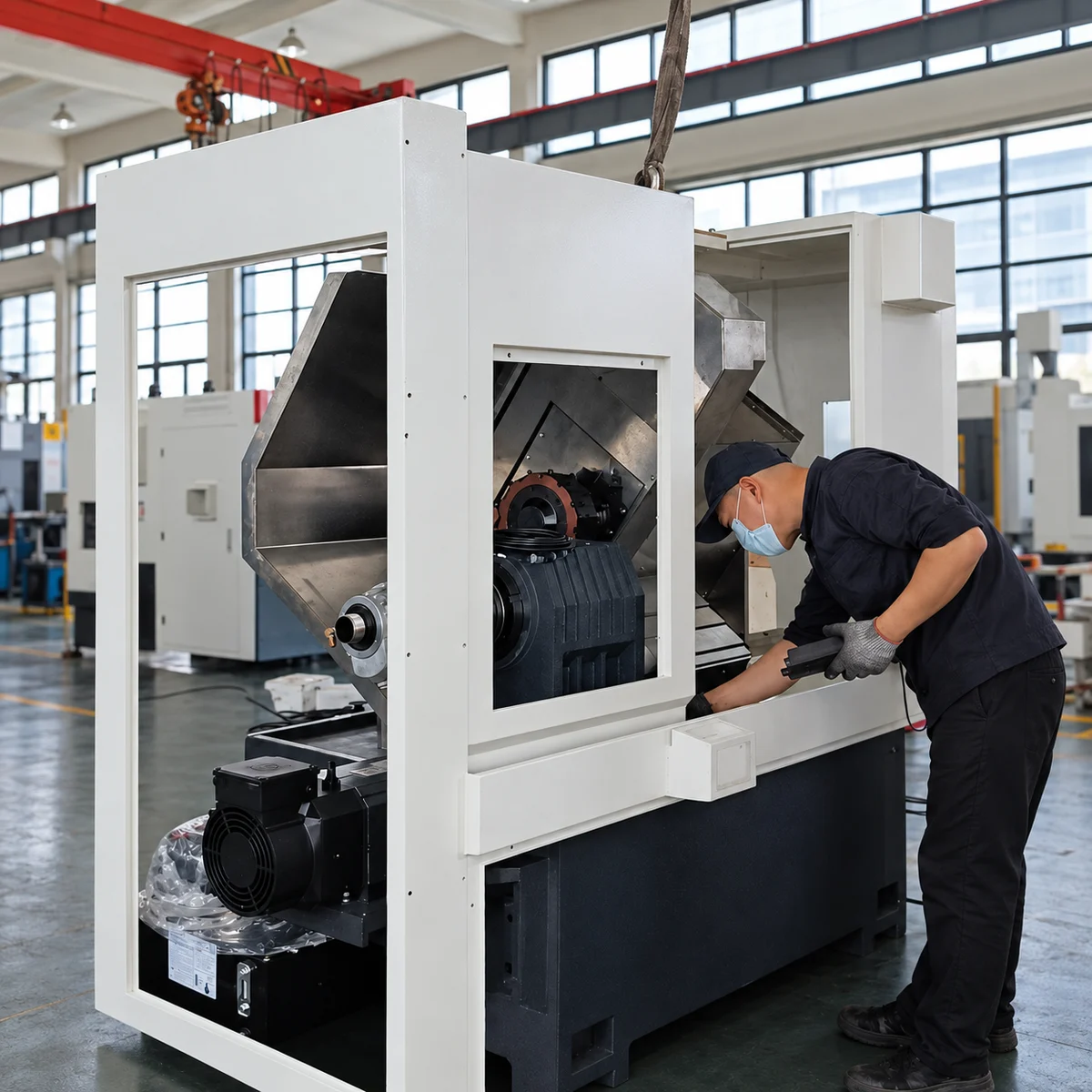
List the turning features separately from operations that need a second tool direction. Diameters, faces, grooves and coaxial bores belong in the turning route. Cross holes, bolt circles, keyways and milled flats need their own description. Then record where the datum is created, whether the part transfers between operations and where inspection occurs. This is not an instruction to prescribe a machine model. It is the minimum information needed to distinguish a turning-focused shaft from a coupling that needs a turning-plus-secondary-operation discussion. A quote that combines these unlike routes into one unexplained time figure cannot show the buyer what work is included or where handling assumptions begin.
4. Put people, inspection and changeover assumptions beside the workload
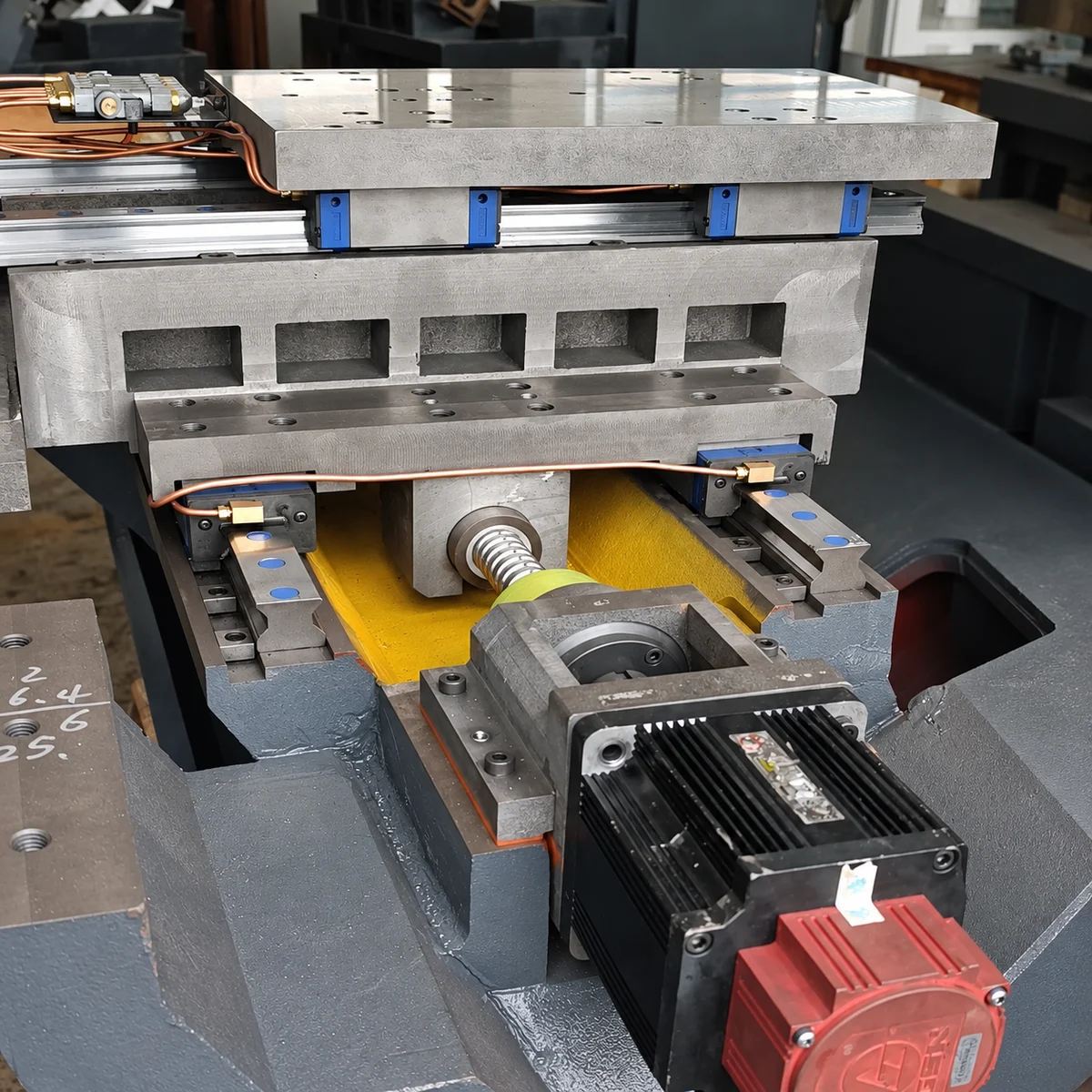
Do not use a cutting-time estimate as a complete capacity plan. Ask the supplier to state the conditions behind any estimate: proposed tooling, loading approach, workholding change, program change, inspection frequency and secondary handling. Identify whether one operator is expected to tend several tasks or whether the estimate only describes spindle time. Note the planned shifts and the time reserved for first-off checks, tool changes, rework review and scheduled maintenance. These are planning inputs, not promises of output. Keeping them visible prevents a buyer from comparing one quote that assumes a prepared fixture and controlled blank with another that includes repeated manual preparation.
5. Keep the capacity decision separate from a part-trial decision
A capacity RFQ does not replace a controlled part trial, and a successful sample does not define a whole production mix. Keep the commercial proposal, representative workload and any trial plan as separate but linked records. If a trial is needed, freeze the drawing revision, blank, inspection method and acceptance characteristics before cutting. If a capacity comparison is needed, preserve the stated demand range and all assumptions about fixtures, tooling, loading and secondary operations. This gives the technical and purchasing teams a way to ask different questions without treating either a market article, a demonstration sample or an unqualified time estimate as proof of a future result.
6. Request one comparable workload table
Give every potential supplier the same short workload table: part number and drawing revision, blank form, material, confirmed quantity, forecast quantity, critical features, secondary operations, inspection points and delivery cadence. Ask each supplier to identify the assumptions it used and the open questions that prevent a complete comparison. Do not require an artificial “yes” or “no” machine answer when the drawing, fixture or demand boundary is still unresolved. A transparent response can show which gaps belong to the buyer’s brief and which need a supplier’s process proposal. That makes an RFQ useful for capacity planning without presenting an unverified capacity number as a fact.
Where GEDEMA can join the capacity conversation
For a shaft-oriented part family, published GDM-T80-650W information is one starting point for a drawing-led discussion. For a coupling that combines turning with drilled or milled features, published GDM-CX80-650W information provides another discussion point. For compact repeat connector bodies, GDM-T40-360D is a further published starting point. These links do not select a configuration, establish output or promise delivery. Send Us Your Drawing with the material, confirmed and forecast quantities, critical dimensions, blank form, permitted gripping areas, required secondary features and inspection requirements. GEDEMA can then discuss the part family and quotation scope against published machine information.
News sources
AMT — The Association For Manufacturing Technology ·